文章編號164 | 為什麼現代窗戶為了追求簡潔外觀而偏愛隱藏式鉸鏈
ARTICLE NO.164 | Why Modern Windows Prefer Concealed Hinges for a Clean Look
The way a window hinge meets the eye has shifted decisively over the past two decades. Where once visible hinge leaves and exposed screw heads were accepted as the necessary mechanics of an operable window, contemporary architecture increasingly treats such visible hardware as a compromise. Concealed window hinges have emerged as the standard specification for modern projects not because surface-mounted hinges stopped working, but because the definition of what a window should look like has changed. Clean sightlines, uninterrupted frames, and the disappearance of mechanical clutter now drive hardware selection as much as load ratings and cycle counts.
The Vanishing Hardware Trend
The preference for concealed window hinges belongs to a broader architectural movement toward visual minimalism. Light switches recess into walls. Door closers hide in header tracks. Structural connections disappear behind flush finishes. The operable window has followed the same trajectory. In a contemporary facade, the window is expected to read as a transparent plane within a minimal frame, not as an assembly of mechanical parts. Visible hinge knuckles, leaf plates, and fastener heads break this visual plane and draw attention to the window as a mechanism rather than an aperture. Concealed hinges, hidden entirely within the frame profile when the window is closed, satisfy the expectation that modern building elements should reveal nothing of their internal workings. The window simply opens and closes, with no visible explanation of how.
The Unbroken Frame Line
A window frame equipped with concealed window hinges presents a continuous, uninterrupted perimeter. The frame appears as a single, coherent element without the visual disruption of hinge hardware interrupting its lines. This continuity is particularly valued in slim-profile aluminium and steel frames, where the frame itself is already reduced to the minimum dimensions that structure and thermal performance allow. On such slender frames, a surface-mounted hinge occupies a disproportionate share of the visible surface and becomes the dominant visual element. Concealed hinges return visual priority to the frame proportions themselves, allowing the slender sightlines to read as intended. The same principle applies to the sash: without visible hinge leaves breaking its inner edge, the sash reads as a clean, uncluttered rectangle.
Interior and Exterior Consistency
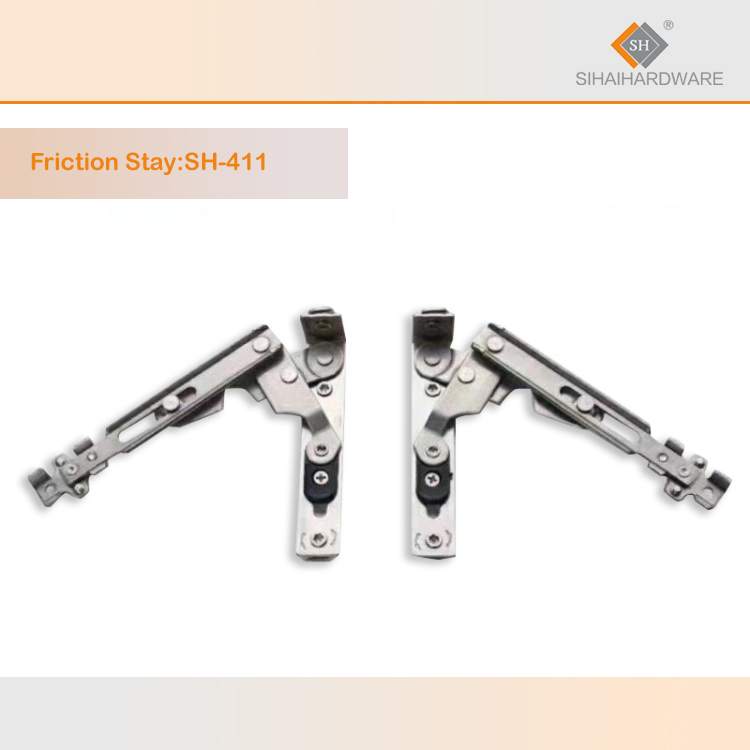
The visual benefit of concealed window hinges 窗戶兩側均可操作。從外部看,由於沒有可見的五金件,立面呈現出光滑平整的效果。窗戶平整地安裝在開口內,沒有突出的鉸鏈部件,因此不會像其他窗戶那樣反射光線、投下陰影或積聚灰塵,從而避免立面隨著時間的推移出現不規則的痕跡。從內部看,隱藏式鉸鏈消除了機械部件對居住空間的視覺幹擾。這一點在窗戶作為視覺焦點的房間中尤其重要——例如擁有優美景緻的起居室、可以欣賞花園景色的臥室,以及將玻璃窗作為建築體驗一部分的商業空間。透過玻璃,視野被簡潔的線條所框定,沒有五金件的干擾。
與多點鎖定協調
現代窗戶越來越多地採用多點鎖定係統,將窗扇固定在其周邊的多個位置。這些系統依賴窗扇和窗框之間的精確對齊,才能同時鎖定所有點。隱藏式窗戶鉸鏈為了確保窗戶的精準度,需要在整個使用壽命中保持窗扇位置的一致性。由於鉸鏈機構位於框架空腔內,因此不易受到環境因素(例如熱脹冷縮、風力引起的移動以及污垢累積)的影響,而這些因素會導致表面安裝的鉸鏈隨著時間的推移發生輕微位移。最終,窗戶不僅外觀更整潔,幾何精度也能保持更長時間。
歐洲窗戶設計的影響
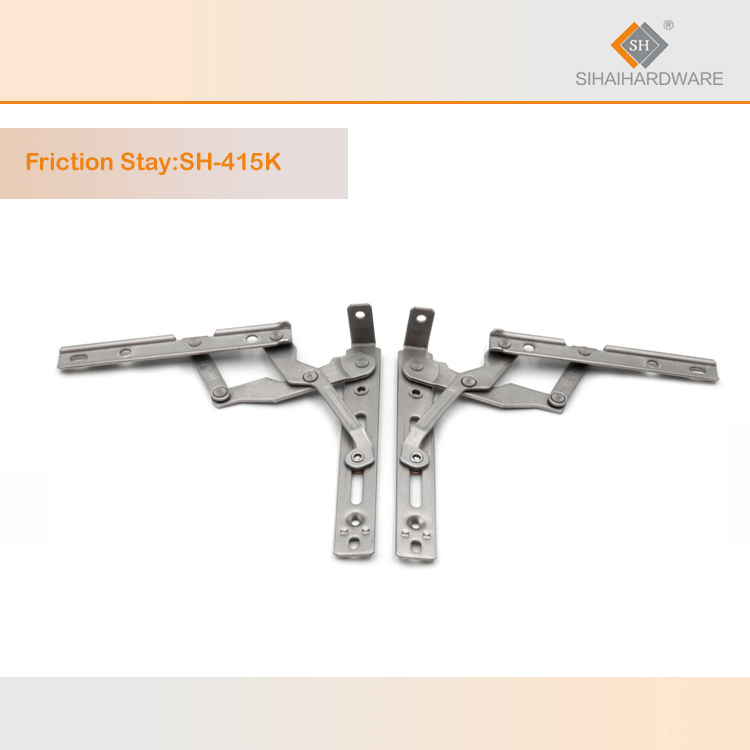
廣泛採用隱藏式窗戶鉸鏈全球市場很大程度上得益於歐洲的窗戶工程技術,尤其是德國和奧地利的內傾內開窗傳統。數十年來,歐洲窗戶系統一直採用隱藏式鉸鏈機構,這主要源於美學偏好、節能性能要求以及擠壓型材系統能夠容納內部五金件的技術優勢。隨著歐洲窗戶設計被出口並推廣到世界各地,其隱藏式鉸鏈技術也隨之傳播。如今,隱藏式鉸鏈不再是高端小眾產品,而是涵蓋多種價位和性能等級的標準配置。
製造集成
向隱藏式窗戶鉸鏈 窗戶製造技術的進步使得這一切成為可能。過去,將鉸鏈嵌入窗框型材需要耗費大量時間和成本的二次加工,而現在,電腦控制的加工中心已將其作為型材切割和準備流程的常規步驟完成。窗框型材本身在設計初就包含了隱藏式鉸鏈所需的內部通道、螺絲孔和排水路徑。這種鉸鏈與窗框設計的一體化意味著,現代窗戶系統被設計成一個完整的組件,隱藏式鉸鏈作為系統的一部分進行指定,而不是從單獨的五金件目錄中選擇。最終,窗戶的五金件不再是事後添加的,而是設計之初就考慮到的,從而實現了「隱形」的窗戶效果。
結論
現代窗戶更喜歡隱藏式窗戶鉸鏈因為現代建築更傾向於視覺上的靜謐而非機械的炫耀。將鉸鏈隱藏在框架內所營造的簡潔外觀,契合了崇尚極簡主義、精準以及將功能性元素融入建築肌理的設計理念。隱藏式鉸鏈並非只是被隱藏起來的鉸鏈,而是從一開始就以隱形為設計目標,其工程設計完全服從於框架整體的視覺效果。隨著窗戶製造技術不斷將五金件與型材設計更緊密地融合在一起,外露的表面安裝式鉸鏈將日益成為時代的遺物——功能實用、誠實可靠,但在美學上卻與當代建築對最小構件的期望格格不入。